
When you work on your own home to make it extra energy environment friendly and cheaper to take care of, it’s best to consider what security measures have to be implemented as nicely. Homes are made up of many different elements that work collectively as a system. If you modify one part of that system, the opposite elements are affected. Ultimately, you alter the best way the home functions. Air from outside is free to infiltrate and
Heat Space Offer exfiltrate by varied uncaulked and unfilled cracks, gaps, and holes within the exterior. Whenever you cease up these leaks, substitute previous windows, caulk, and fill, thus eradicating a few of the pathways by way of which air previously entered the house. From the standpoint of saving vitality this is an effective factor. The much less air that leaves the home, the much less heating and cooling need to be produced with a purpose to exchange it. But is there such a factor as a house that is just too airtight? The reply is that it really is not potential to make a house too airtight.

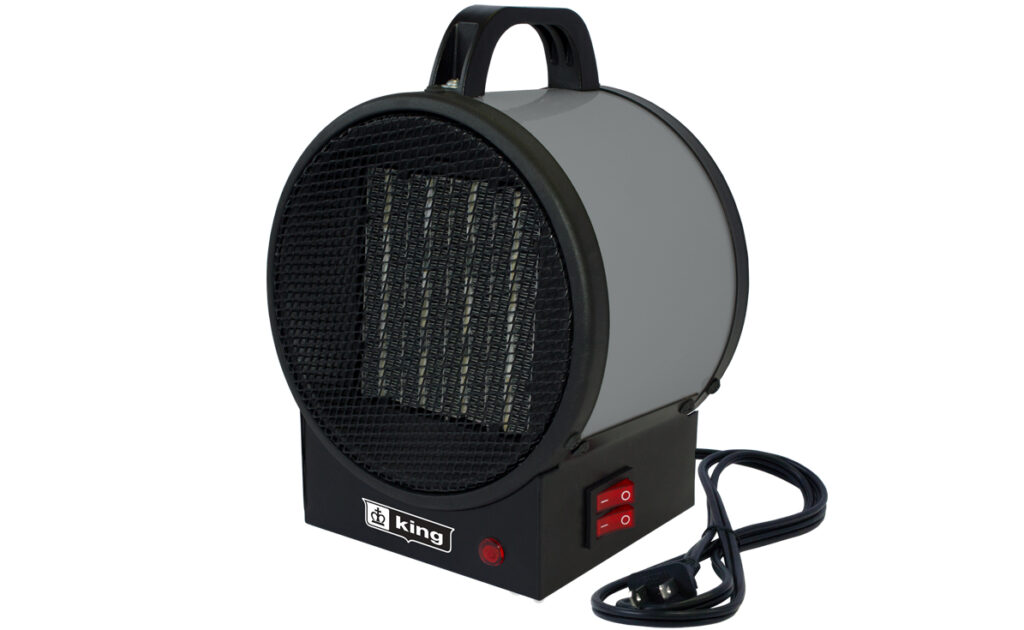
It is feasible, nevertheless, to make it too poorly ventilated. Where is the dividing line? In this article, we’ll talk about the tools or strategies that can allow you to protect your own home’s air movement as you make it extra energy environment friendly. We’ll even overview various energy sources to improve your property. Systems in the house require a reliable inflow of air to function properly. Specifically, these are the gadgets that burn fuel on site after which exhaust combustion byproducts outdoors by way of a vent or fluepipe, comparable to furnaces, boilers, water heaters, compact heater for home fireplaces, and gas clothes dryers. If a home is made relatively airtight and never sufficient combustion air is provided for these gas-burners, issues can end result. Here’s an example: A furnace or boiler burns fuel so as to
Heat Space Offer a house. The gas (either gas or oil) requires mixing with air with a purpose to combust correctly. When the burner on a standard furnace or boiler fires up, it draws air into a combustion chamber.
The air mixes with the fuel, the mixture is burned up, and the exhaust gases are vented outside. Air rushing into the combustion chamber after which up the fluepipe has to return from someplace. This air must be replaced, or made up. In poorly weatherized houses, this “make-up air” can enter by the number of gaps in the building’s exterior shell. Since it is simple for the air to enter this way, home heating gadget such gaps are referred to as “paths of least resistance.” But what occurs when you start to close these pathways? Where does make-up air come from then? In case you tighten up your home’s exterior and do not make provisions to provide the fuel-burning equipment on site with a supply of make-up air, the air may be drawn down different — and less fascinating — pathways. One of those is likely to be the water heater’s fluepipe.
 Melisa Macintyre asked 2 weeks ago